
For farmers, it works like this: A farmer pools cow or chicken manure into an oxygen free enclosure. Over time, bacteria convert the manure from solid waste into liquid waste, which produces methane gas. The methane is separated out, collected and converted into electricity to power farms or houses, or processed into CNG to power trucks, or could even be used to make bioplastics. Biogas is also produced from organic wastes like kitchen wastes and agricultural wastes. After producing Biogas there will be organic fertilizer at the bottom of the enclosure.
Airflows can be used to run wind turbines. Modern wind turbines range from around 600 kW to 5 MW of rated power, although turbines with rated output of 1.5–3 MW have become the most common for commercial use; the power output of a turbine is a function of the cube of the wind speed, so as wind speed increases, power output increases dramatically. Areas where winds are stronger and more constant, such as offshore and high altitude sites, are preferred locations for wind farms. Typical capacity factors are 20-40%, with values at the upper end of the range in particularly favorable sites. Globally, the long-term technical potential of wind energy is believed to be five times total current global energy production, or 40 times current electricity demand. This could require wind turbines to be installed over large areas, particularly in areas of higher wind resources. Offshore resources experience average wind speeds of ~90% greater than that of land, so offshore resources could contrib.
COGENERATION - Combined energy generation or the use of electricity power and heat or cold enables energy savings of up to 60 percent compared to separate generation in power plants with additional boilers. Power generation is decentralized, i.e. generation takes place where electricity power or heat is needed. In turn, the heat can be fed into a local or district heating network or be used for generating steam. Energy efficiency is an increasingly important contributor to climate change mitigation while at the same time reducing the cost of energy as well as presenting an opportunity for technological innovation. Cogeneration (or ‘COGEN’ for short) is in many cases one of the low hanging fruits of energy efficiency, and also has benefits on the electricity supply side. As a holistic partner, ARGES ENERJİ TEAM MMC not only delivers cogeneration plants and gas engines with an excellent efficiency, but also provides competent advice and service for the development of integrated CHP
Geothermal energy is thermal energy generated and stored in the Earth. Thermal energy is the energy that determines the temperature of matter. Earth's geothermal energy originates from the original formation of the planet (20%) and from radioactive decay of minerals (80%). The geothermal gradient, which is the difference in temperature between the core of the planet and its surface, drives a continuous conduction of thermal energy in the form of heat from the core to the surface. The adjective geothermal originates from the Greek roots geo, meaning earth, and thermos, meaning heat.
Hydroelectric power, also called Hydropower, electricity produced from generators driven by turbines that convert the potential energy of falling or fast-flowing water into mechanical energy. Hydroelectric power was the most widely utilized form of renewable energy. In the generation of hydroelectric power, water is collected or stored at a higher elevation and led downward through large pipes or tunnels (penstocks) to a lower elevation; the difference in these two elevations is known as the head. At the end of its passage down the pipes, the falling water causes turbines to rotate. The turbines in turn drive generators, which convert the turbines’ mechanical energy into electricity.
Combined cycle power plants (CCPP) are becoming increasingly prevalent in the electric utilities market place. A combined-cycle power plant uses both a gas and a steam turbine together to produce up to 64% more electricity from the natural gas (or/and HYDROGEN according to future development about Hydrogen production and storage) Combined cycle operation employs a heat recovery steam generator (HRSG) that captures heat from high temperature exhaust gases to produce steam, which is then supplied to a steam turbine to generate additional electric power. In combined cycle mode, power plants can achieve electrical efficiencies of up to 63 percent.)
Biomass (plant material) is a renewable energy source because the energy it contains comes from the sun. Through the process of photosynthesis, plants capture the sun's energy. When the plants are burnt, they release the sun's energy they contain. In this way, biomass functions as a sort of natural battery for storing solar energy. As long as biomass is produced sustainably, with only as much used as is grown, the battery will last indefinitely. In general there are two main approaches to using plants for energy production: growing plants specifically for energy use (known as first and third-generation biomass), and using the residues (known as second-generation biomass) from plants that are used for other things. The best approaches vary from region to region according to climate, soils and geography.
Biofuels include a wide range of fuels which are derived from biomass. The term covers solid biomass, liquid fuels and various biogases. Liquid biofuels include bio alcohols, such as bioethanol, and oils, such as biodiesel. Gaseous biofuels include biogas, landfill gas and synthetic gas. Bioethanol is an alcohol made by fermenting the sugar components of plant materials and it is made mostly from sugar and starch crops. With advanced technology being developed, cellulosic biomass, such as trees and grasses, are also used as feedstocks for ethanol production. Ethanol can be used as a fuel for vehicles in its pure form, but it is usually used as a gasoline additive to increase octane and improve vehicle emissions. Biodiesel is made from vegetable oils, animal fats or recycled greases. Biodiesel can be used as a fuel for vehicles in its pure form, but it is usually used as a diesel additive to reduce levels of particulates, carbon monoxide, and hydrocarbons from diesel-powered vehicle.
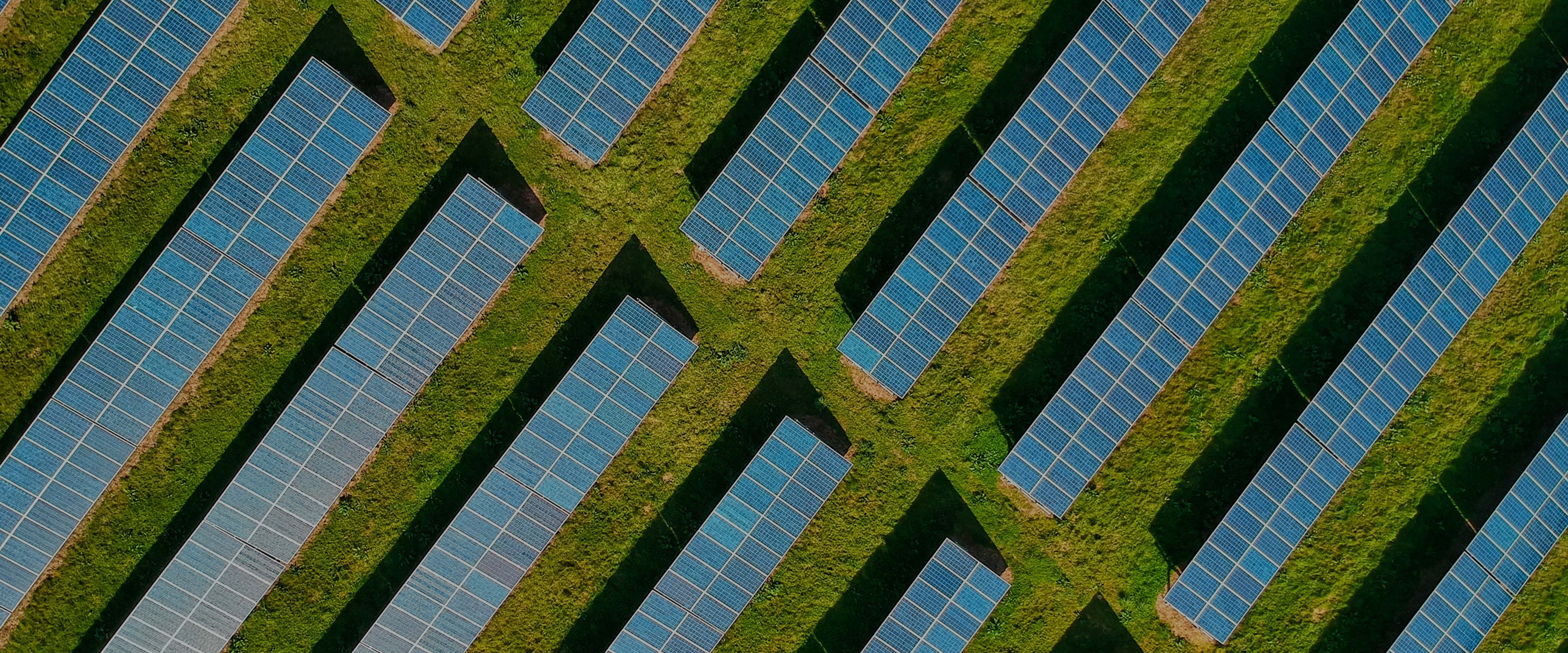
Solar energy is the energy derived from the sun through the form of solar radiation. Solar powered electrical generation relies on photovoltaics and heat engines. A partial list of other solar applications includes space heating and cooling through solar architecture, day lighting, Solar hot water, solar cooking, and high temperature process heat for industrial purposes. Solar technologies are broadly characterized as either passive solar or active solar depending on the way they capture, convert and distribute solar energy. Active solar techniques include the use of photovoltaic panels and solar thermal collectors to harness the energy. Passive solar techniques include orienting a building to the Sun, selecting materials with favorable thermal mass or light dispersing properties, and designing spaces that naturally circulate air.
For farmers, it works like this: A farmer pools cow or chicken manure into an oxygen free enclosure. Over time, bacteria convert the manure from solid waste into liquid waste, which produces methane gas. The methane is separated out, collected and converted into electricity to power farms or houses, or processed into CNG to power trucks, or could even be used to make bioplastics. Biogas is also produced from organic wastes like kitchen wastes and agricultural wastes. After producing Biogas there will be organic fertilizer at the bottom of the enclosure.
Airflows can be used to run wind turbines. Modern wind turbines range from around 600 kW to 5 MW of rated power, although turbines with rated output of 1.5–3 MW have become the most common for commercial use; the power output of a turbine is a function of the cube of the wind speed, so as wind speed increases, power output increases dramatically. Areas where winds are stronger and more constant, such as offshore and high altitude sites, are preferred locations for wind farms. Typical capacity factors are 20-40%, with values at the upper end of the range in particularly favorable sites. Globally, the long-term technical potential of wind energy is believed to be five times total current global energy production, or 40 times current electricity demand. This could require wind turbines to be installed over large areas, particularly in areas of higher wind resources. Offshore resources experience average wind speeds of ~90% greater than that of land, so offshore resources could contrib.
COGENERATION - Combined energy generation or the use of electricity power and heat or cold enables energy savings of up to 60 percent compared to separate generation in power plants with additional boilers. Power generation is decentralized, i.e. generation takes place where electricity power or heat is needed. In turn, the heat can be fed into a local or district heating network or be used for generating steam. Energy efficiency is an increasingly important contributor to climate change mitigation while at the same time reducing the cost of energy as well as presenting an opportunity for technological innovation. Cogeneration (or ‘COGEN’ for short) is in many cases one of the low hanging fruits of energy efficiency, and also has benefits on the electricity supply side. As a holistic partner, ARGES ENERJİ TEAM MMC not only delivers cogeneration plants and gas engines with an excellent efficiency, but also provides competent advice and service for the development of integrated CHP
Geothermal energy is thermal energy generated and stored in the Earth. Thermal energy is the energy that determines the temperature of matter. Earth's geothermal energy originates from the original formation of the planet (20%) and from radioactive decay of minerals (80%). The geothermal gradient, which is the difference in temperature between the core of the planet and its surface, drives a continuous conduction of thermal energy in the form of heat from the core to the surface. The adjective geothermal originates from the Greek roots geo, meaning earth, and thermos, meaning heat.
Hydroelectric power, also called Hydropower, electricity produced from generators driven by turbines that convert the potential energy of falling or fast-flowing water into mechanical energy. Hydroelectric power was the most widely utilized form of renewable energy. In the generation of hydroelectric power, water is collected or stored at a higher elevation and led downward through large pipes or tunnels (penstocks) to a lower elevation; the difference in these two elevations is known as the head. At the end of its passage down the pipes, the falling water causes turbines to rotate. The turbines in turn drive generators, which convert the turbines’ mechanical energy into electricity.
Combined cycle power plants (CCPP) are becoming increasingly prevalent in the electric utilities market place. A combined-cycle power plant uses both a gas and a steam turbine together to produce up to 64% more electricity from the natural gas (or/and HYDROGEN according to future development about Hydrogen production and storage) Combined cycle operation employs a heat recovery steam generator (HRSG) that captures heat from high temperature exhaust gases to produce steam, which is then supplied to a steam turbine to generate additional electric power. In combined cycle mode, power plants can achieve electrical efficiencies of up to 63 percent.)
Biomass (plant material) is a renewable energy source because the energy it contains comes from the sun. Through the process of photosynthesis, plants capture the sun's energy. When the plants are burnt, they release the sun's energy they contain. In this way, biomass functions as a sort of natural battery for storing solar energy. As long as biomass is produced sustainably, with only as much used as is grown, the battery will last indefinitely. In general there are two main approaches to using plants for energy production: growing plants specifically for energy use (known as first and third-generation biomass), and using the residues (known as second-generation biomass) from plants that are used for other things. The best approaches vary from region to region according to climate, soils and geography.
Biofuels include a wide range of fuels which are derived from biomass. The term covers solid biomass, liquid fuels and various biogases. Liquid biofuels include bio alcohols, such as bioethanol, and oils, such as biodiesel. Gaseous biofuels include biogas, landfill gas and synthetic gas. Bioethanol is an alcohol made by fermenting the sugar components of plant materials and it is made mostly from sugar and starch crops. With advanced technology being developed, cellulosic biomass, such as trees and grasses, are also used as feedstocks for ethanol production. Ethanol can be used as a fuel for vehicles in its pure form, but it is usually used as a gasoline additive to increase octane and improve vehicle emissions. Biodiesel is made from vegetable oils, animal fats or recycled greases. Biodiesel can be used as a fuel for vehicles in its pure form, but it is usually used as a diesel additive to reduce levels of particulates, carbon monoxide, and hydrocarbons from diesel-powered vehicle.
Solar energy is the energy derived from the sun through the form of solar radiation. Solar powered electrical generation relies on photovoltaics and heat engines. A partial list of other solar applications includes space heating and cooling through solar architecture, day lighting, Solar hot water, solar cooking, and high temperature process heat for industrial purposes. Solar technologies are broadly characterized as either passive solar or active solar depending on the way they capture, convert and distribute solar energy. Active solar techniques include the use of photovoltaic panels and solar thermal collectors to harness the energy. Passive solar techniques include orienting a building to the Sun, selecting materials with favorable thermal mass or light dispersing properties, and designing spaces that naturally circulate air.